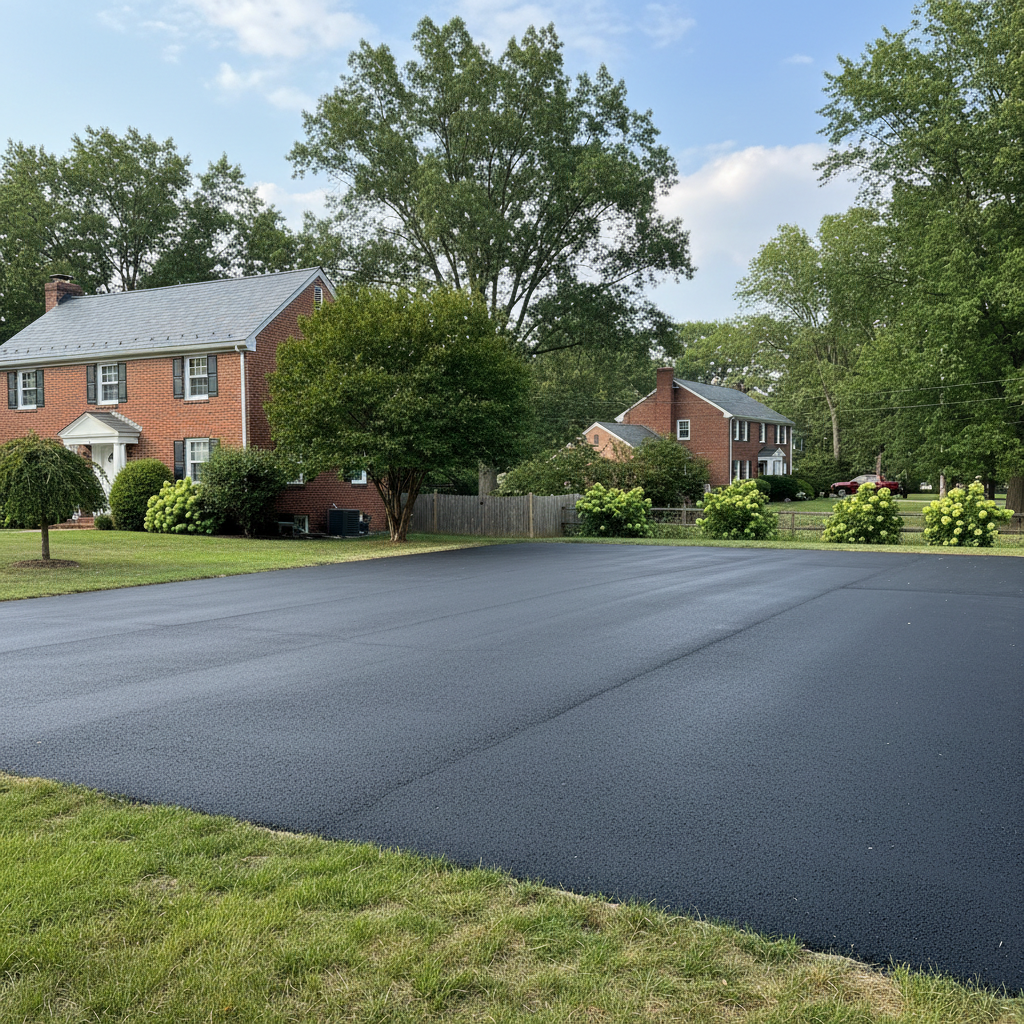
Got a commercial property in Philly with an asphalt lot? You know, it's not just a place for cars. It's often the very first thing customers see, and honestly, it's a big chunk of your property's value. Just ignoring it? That's like throwing money away. I've seen way too many businesses let their asphalt completely fall apart, and then they're stuck looking at a full replacement job that costs a fortune. Let's talk about how to keep that from happening.
Extend Your Asphalt's Lifespan: It's All About Prevention
Look, asphalt isn't cheap, especially when you're talking about a commercial parking lot. So, naturally, you want to squeeze every single year out of it that you can. The biggest thing to watch out for? Water. Water is asphalt's absolute worst enemy. It sneaks into tiny cracks, freezes, expands, and then — boom — you've got potholes. It's a nasty cycle, particularly with our Philly winters where we get that constant freeze-thaw action. That's why good drainage is so critical. Make sure your gutters are clear, your catch basins aren't clogged, and water isn't pooling up anywhere on your lot. If you've got low spots, fix them before they turn into permanent ponds.
Another really important step is sealcoating. Think of it like sunscreen for your asphalt. It protects against harsh UV rays, oil spills, and, yes, it really helps keep water out. For commercial properties, I usually suggest a good sealcoat every 2-3 years. The exact timing depends on how much traffic it gets and how much sun it bakes in. It's a pretty small investment that pays off big time down the road.
Regular Maintenance: Your Pavement's Best Friend
This isn't rocket science, but people often overlook it. Regular maintenance means you're being proactive, not just reacting to problems. Here's what you really should be doing:
- Sweeping and Cleaning: Get rid of all that dirt, gravel, and general debris. This stuff can actually hold moisture against the asphalt, speeding up wear. Plus, a clean lot just looks a whole lot better, doesn't it?
- Crack Sealing: This is probably the most important thing you can do. The moment you spot a crack, get it sealed. I'm talking about those hairline cracks, not just the big, obvious ones. A good quality hot-pour crack filler will stop water from getting in and destroying your base layer. Don't wait until your lot looks like a spiderweb.
- Pothole Repair: If you've got potholes, you need to fix them right away. They don't just disappear; they only get bigger and more dangerous. Cold patch is a temporary fix, sure, but for long-term durability, you want a hot mix asphalt repair.
- Drainage Checks: Like I said before, water is the enemy. Check your drains and catch basins regularly to make sure they're clear and working properly.
Warning Signs: When Your Asphalt is Crying for Help
You don't need to be an expert to spot problems. Just walk your lot regularly and keep an eye out for these things:
- Cracking: Not just any cracks, but alligator cracking (it really does look like alligator skin), block cracking (large, interconnected cracks), or edge cracking. These usually mean there's a problem with the base underneath, or the asphalt is simply getting old and brittle.
- Potholes: Obvious, I know, but please don't ignore them. They're trip hazards and can absolutely damage vehicles.
- Raveling: This happens when the aggregate — those little stones in the asphalt — starts coming loose, making the surface rough and uneven. It means the binder isn't doing its job anymore.
- Fading and Discoloration: If your asphalt looks gray instead of that deep black, it's a clear sign that the sun and other elements are taking their toll. It's probably time for a sealcoat.
- Pooling Water: After a good rain, if you've got puddles hanging around for hours, you definitely have a drainage issue that needs fixing. In some parts of South Philly, with its older infrastructure and clay soils, this can be a particular headache if it wasn't handled during the initial paving.
When to Call a Professional
You can certainly handle sweeping and keeping an eye on things, but for the actual repairs and preventative work, you're going to need a pro. Don't try to DIY crack sealing or pothole repair on a commercial scale; you'll just end up with a bigger mess and a shorter lifespan for your pavement. Here's when to pick up the phone:
- You see any of those warning signs I just mentioned.
- It's been 2-3 years since your last sealcoat.
- You're getting ready to sell or lease your commercial property and want to boost curb appeal and value.
- You notice significant water pooling or drainage issues.
- You've got heavy traffic, like delivery trucks or lots of customer vehicles, which really puts more stress on the pavement.
Here at All Star Asphalt Inc, we've been helping Philly businesses keep their lots in great shape for years. We know the local climate, the traffic, and what it really takes to make your asphalt last. Don't wait until your parking lot turns into a minefield of potholes; a little proactive maintenance goes a very long way.