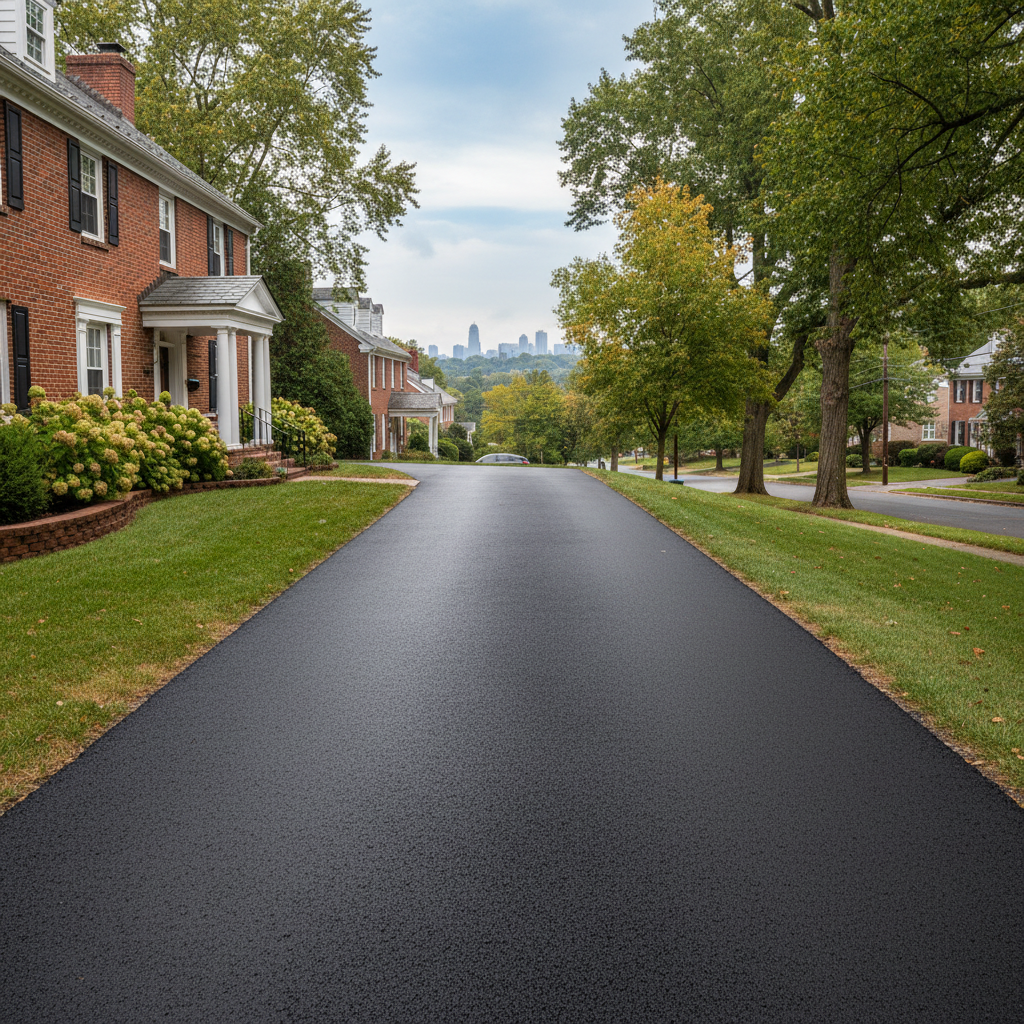
Your asphalt driveway isn't just some blacktop patch; it's an investment, plain and simple. You've put good money into it, and naturally, you want it to last. Here in Philadelphia, our weather can really beat up asphalt – from those scorching August heatwaves to the icy January freezes, it's a constant cycle of expanding and shrinking. That's why proper upkeep isn't just a suggestion; it's absolutely crucial if you want to dodge expensive repairs later on.
Extend Your Driveway's Life: It's All About Prevention
Look, the best way to make your asphalt last is to treat it right from day one. That means a good installation, sure, but after that, it's pretty much on you. One of the biggest reasons asphalt fails early is water. Water sneaks into cracks, freezes, expands, and then boom – you've got a pothole. It's an old story, especially in neighborhoods like Manayunk where steep driveways mean water runoff is always a headache.
- Keep it Clean: Don't let dirt, leaves, or other junk just sit there on your driveway. They can trap moisture and make things fall apart faster. A good sweep with a stiff broom every now and then really helps.
- Mind the Weight: Try not to park super heavy vehicles, like RVs or construction equipment, on your residential driveway for long stretches. Asphalt is flexible, but it does have its limits, you know?
- Deal with Spills Immediately: Oil, gas, and other car fluids are asphalt's worst enemy. They break down the binder that holds everything together. If you spill something, clean it up right away with an absorbent material and some mild soap. Don't let it just sit there.
Regular Maintenance: Your Annual Check-Up
Think of your driveway like your car – it needs regular check-ups to stay in good shape. You wouldn't wait for the engine to seize up before getting an oil change, would you? Same goes for your asphalt.
The most important thing you can do for residential asphalt is to sealcoat it every two to three years. Sealcoating isn't just about making it look nice; it forms a protective barrier against UV rays, water, and chemicals. It keeps the asphalt flexible and stops those tiny hairline cracks from turning into huge problems. We've seen countless driveways that skipped sealcoating and ended up needing full replacements years earlier than they should have. It's a small investment that really pays off in the long run.
Beyond sealcoating, you should really give it a visual inspection a couple of times a year, especially after the winter thaws. Look for any new cracks or signs of wear. Catching these early means a simple fix, not a complete overhaul.
Warning Signs: What to Look For
Your driveway will definitely tell you when it's hurting; you just need to know what to look for. Here are some red flags that mean it's time to pay attention:
- Hairline Cracks: These are the first sign. They might be small, but they're basically highways for water. Don't ignore them.
- Alligator Cracking: This looks like a bunch of interconnected cracks, kind of like an alligator's skin. Usually, this means the base layer is failing, and that's a more serious problem.
- Potholes: Obvious, I know, but they start small and grow fast. They're a trip hazard and a clear sign of significant deterioration.
- Fading or Discoloration: If your asphalt is looking gray instead of black, that means the binder is oxidizing. This makes it brittle and much more likely to crack. Sealcoating can often fix this.
- Pooling Water: If you've got puddles that don't drain after it rains, it could point to settlement or drainage issues that you'll need to address.
When to Call a Professional
You can handle sweeping and cleaning, maybe even a small crack fill if you're handy. But there are definitely times when you need to bring in the pros. Seriously, don't try to tackle major repairs yourself unless you really know what you're doing; you could just make things worse and cost yourself more down the line.
You should call someone like us at All Star Asphalt Inc if you see:
- Extensive alligator cracking – this needs more than just a patch, trust me.
- Large potholes that are deep or wide.
- Significant areas where the asphalt is crumbling or raveling.
- Drainage problems where water is constantly pooling on your driveway or near your foundation.
- Any time you're just not sure about how bad the damage is or the best way to fix it.
We're here to help you get the most out of your asphalt investment. A little proactive care goes a long way in keeping your driveway safe, functional, and looking good for years to come.