Do I Really Need to Sealcoat My Driveway?
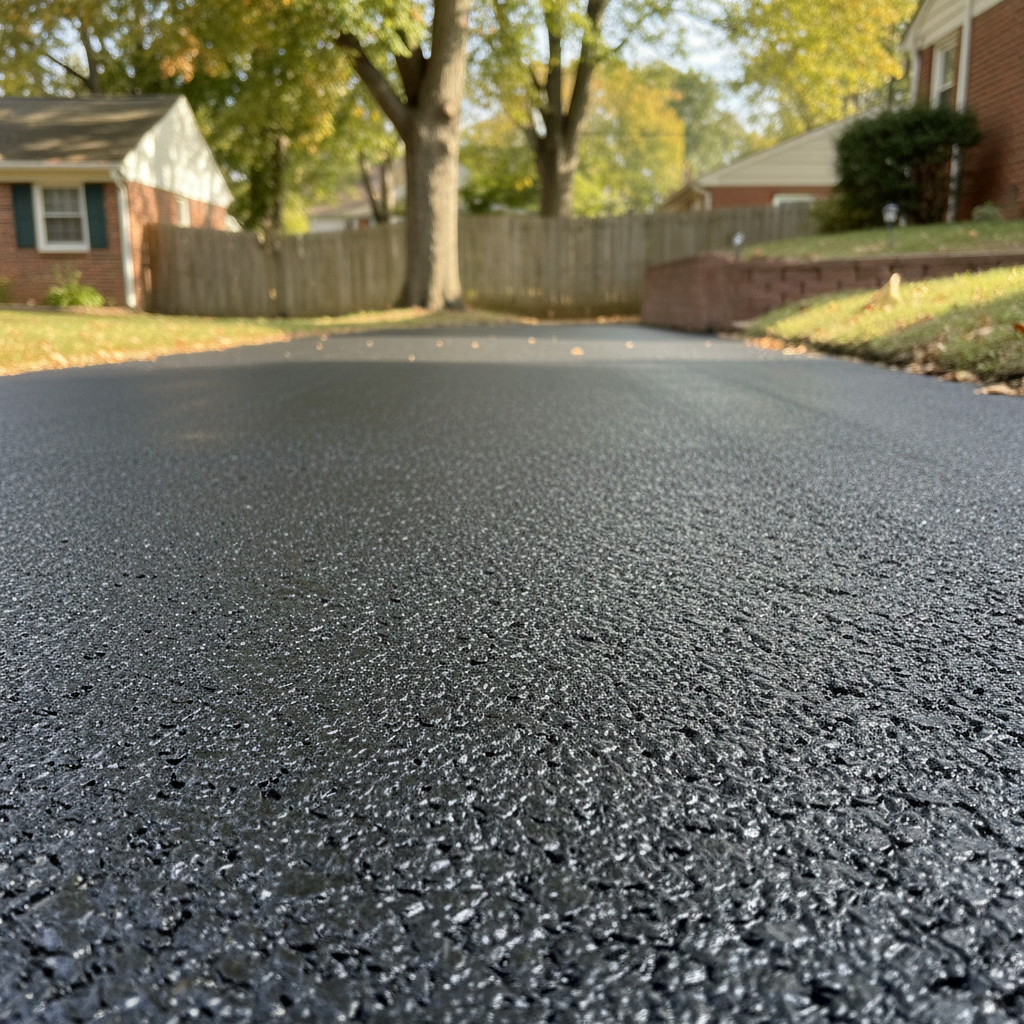
Let's get straight to it: your asphalt driveway takes a real beating. Sun, rain, snow, ice, oil drips, antifreeze — all these things work to break down that asphalt binder. Over time, you'll probably start noticing it turn gray, get brittle, and develop those tiny hairline cracks. That's exactly where sealcoating steps in. It's not just about making your driveway look shiny and new, though it certainly does that. More importantly, it's about protecting your investment, making it last longer, and saving you a bunch of money on repairs down the road.
Think of sealcoating like sunscreen for your driveway. It puts a protective layer right over the asphalt, shielding it from harsh UV rays, water seeping in, and chemical spills. It also keeps the aggregate (that's the stones and sand) bound tightly together, which stops raveling and potholes from forming. For us here in Philly, with our brutal winters and hot, humid summers, sealcoating is even more crucial. That freeze-thaw cycle we experience, especially in neighborhoods like Manayunk or Roxborough where driveways often sit on slopes, can really wreak havoc on unprotected asphalt, you know?
What You Need to Know BEFORE You Start
Alright, so you're convinced. You want to sealcoat. But don't just grab a bucket and a brush and dive in. There's some prep work you absolutely cannot skip.
Clean, Clean, Clean: Your driveway needs to be spotless. I'm talking about sweeping off all loose dirt, leaves, and debris. After that, you'll want to power wash it. Get rid of any stubborn grime, moss, or mildew. Just make sure it's completely dry before you even think about applying sealer.
Deal with Cracks and Potholes: Sealcoat isn't some miracle cure for major damage. If you've got cracks wider than a quarter-inch, or any potholes at all, you need to repair those first. Use a good quality crack filler for the smaller stuff. For bigger cracks or potholes, you might need cold patch asphalt. Seriously, don't skip this step, or your sealcoat will just bridge over the problem, and those cracks will reappear in no time.
Mind the Weather: This is a huge one. You can't sealcoat in the rain, obviously. But you also can't do it if it's too cold or too hot. Generally, you want temperatures to be above 50°F and rising, and no rain in the forecast for at least 24-48 hours. If it's too hot, the sealer can dry too fast and not cure properly. Too cold, and it simply won't cure at all. Humidity matters too. A nice, dry, partly cloudy day is ideal, wouldn't you agree?
Choose Your Sealer Wisely: There are different types out there, you know. Coal tar emulsion used to be common, but it has some environmental concerns. Asphalt emulsion is a good option, and then there are also acrylic-modified sealers that offer extra durability. Read the labels, understand the coverage rates, and pick one that suits your needs and budget. Don't cheap out here; a good quality sealer really does make a difference.
During the Project: DIY vs. Pro
This is where you decide if you're rolling up your sleeves or giving someone like us at All Star Asphalt Inc. a call.
DIY Sealcoating
If your driveway is small, in good shape, and you're comfortable with a bit of physical labor, you can definitely do it yourself. You'll need:
A good quality sealer
A squeegee or a brush applicator (squeegees are generally faster and give a more even coat)
A stiff-bristled brush for the edges
Painter's tape and plastic sheeting to protect concrete or landscaping
Gloves, old clothes, and maybe some knee pads
Start at the highest point of your driveway and work your way down, always keeping an exit path open. Apply thin, even coats. Don't go too thick, or it won't cure properly and will peel. Most sealers recommend two thin coats, with adequate drying time (usually 4-8 hours) between them. Feather the edges so you don't end up with thick lines.
When to Call a Professional
Look, I'm a contractor, so of course I'm going to say call a pro. But honestly, there are times when it just makes good sense:
Large Driveways: If your driveway is huge, it's a massive undertaking for one person. Pros have bigger equipment and can get it done efficiently.
Significant Damage: If you've got extensive cracking, potholes, or areas that need patching before sealing, a pro can assess the damage properly and make sure the repairs are solid before sealcoating.
Time Constraints: Don't have a free weekend (or two, with drying times) to dedicate to this? A professional crew can get it done quickly and correctly.
Uneven Surfaces: If your driveway has tricky slopes, drainage issues, or complex shapes, a pro knows how to handle it to ensure even application and proper curing.
Guaranteed Results: A reputable company like All Star Asphalt Inc. stands behind their work. If something goes wrong, they'll fix it.
After the Sealcoat: Curing and Maintenance
You're not done once the last coat is down. The curing process is just as important, in fact. You need to stay off that driveway. Most sealers need at least 24-48 hours before you can walk on it, and 48-72 hours (or even longer, depending on conditions and the specific product) before you can drive on it. Parking a heavy vehicle on a driveway that hasn't fully cured can leave tire marks or even pull up the sealer. No one wants that.
Once it's cured, you'll want to maintain it. Keep it clean, sweep off debris regularly, and address any oil or chemical spills quickly. A good sealcoat job should last you 2-3 years, sometimes longer, before you need to reapply. It's a small investment of time or money that really pays off big in the long run by protecting your driveway and keeping your property looking sharp.