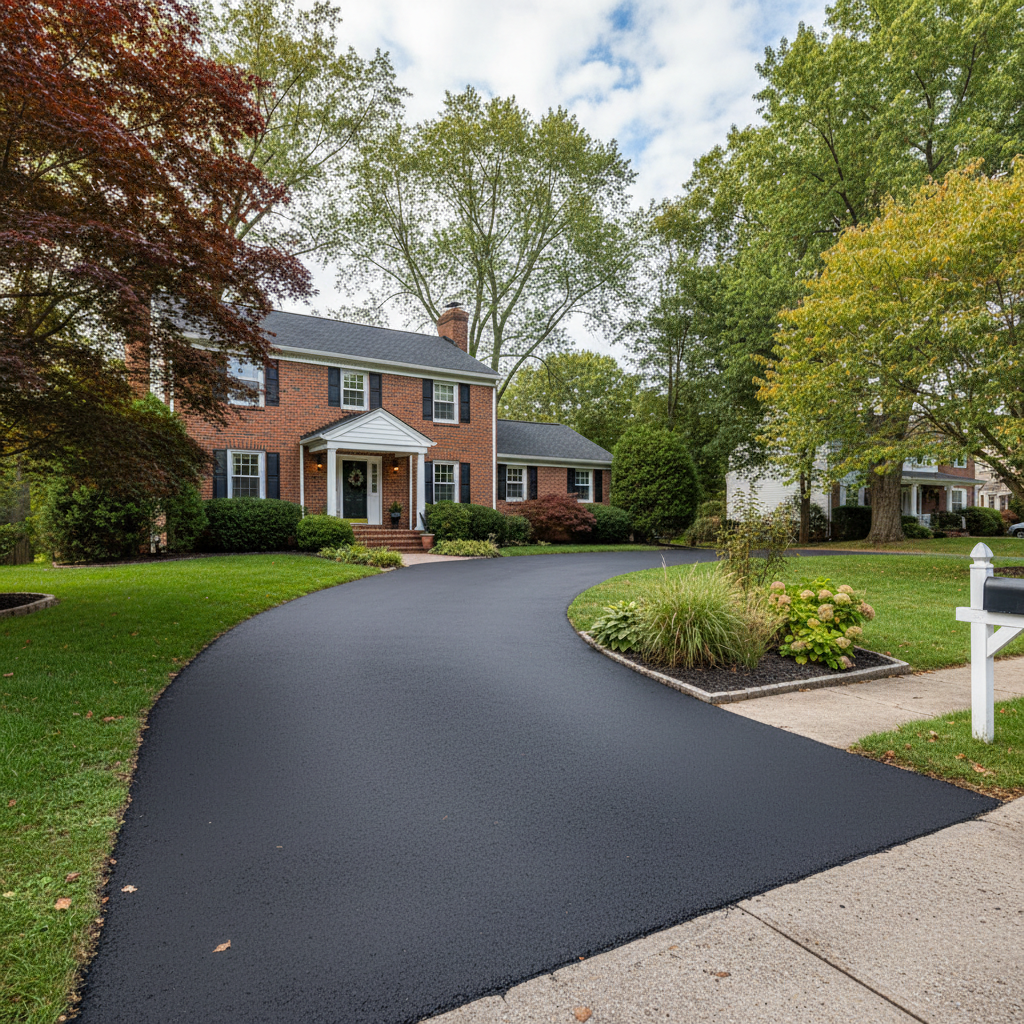
You have just had your asphalt sealcoated. This is a good move. You have put in the effort to protect your investment. This applies whether it is your home driveway in South Philly or a parking lot up in the Northeast. Sealcoating is not a "set it and forget it" type of deal. To really get your money's worth and keep that pavement looking good and working right, you must do some upkeep. Especially here in Pennsylvania, our weather swings from humid summers to brutal, freeze-thaw winters. Your asphalt takes a beating in Philadelphia.
Making Your Sealcoat Last Longer in Philly's Climate
The biggest enemies of your asphalt, and your sealcoat, are UV rays, water, and the constant temperature changes we get in Philadelphia. Here is what you can do to fight back against these issues:
- Keep it Clean: This sounds simple. Dirt, leaves, and debris can hold moisture against your pavement. This is not good for the sealcoat. Sweep or blow off your asphalt regularly. If you have oil or gas spills, clean them up fast. These automotive fluids eat away at asphalt. They can also break down your sealcoat.
- Address Cracks Promptly: Even with sealcoating, small cracks can show up. Do not ignore these cracks. Water is sneaky. If water gets into those tiny cracks, it will freeze and expand. This will turn a small problem into a big problem, especially with our freeze-thaw cycles in Philadelphia. Get those cracks filled as soon as you see them. This is an important step to prevent water from getting underneath your asphalt. Water underneath the asphalt can cause structural damage.
- Mind the Edges: Sometimes grass or weeds try to push through the edges of your asphalt. Pull them out. Their roots can create small openings for water to get in.
- Watch the Weight: Try not to park heavy vehicles in the exact same spot all the time. This is especially true in hot weather. Our Philly summers can get very scorching. High temperatures soften the asphalt. This makes the asphalt more vulnerable to dents from heavy loads.
- Strategic Sealcoating Schedule: For most residential driveways in PA, sealcoating every 2 to 3 years is ideal. Commercial properties with heavy traffic might need sealcoating every 1 to 2 years. Do not wait until the sealcoat is completely worn out. Proactive maintenance saves a lot of money in the long run. All Star Asphalt Inc provides Sealcoating services in Philadelphia.
Regular Maintenance You Can Do
Beyond extending the life of your asphalt, there is also general upkeep. This upkeep keeps things looking good and prevents bigger headaches for your asphalt in Philadelphia:
- Routine Cleaning: As stated before, sweep your asphalt. A leaf blower works very well. Get rid of any standing water too. Standing water is a recipe for cracks and potholes.
- Spot Cleaning Stains: If you see oil, grease, or other fluid stains, tackle them quickly. A stiff brush and a mild detergent can often do the trick. Just make sure to rinse thoroughly.
- Winter Prep: Before winter hits, make sure your asphalt is clean. Also make sure any cracks are filled. If you use de-icing salts, be aware they can be tough on asphalt. Some folks use sand for traction instead. Sand is gentler on the asphalt surface. All Star Asphalt Inc can help with winter preparation for your asphalt in Philadelphia.
Warning Signs That Something's Wrong
Your asphalt will tell you when it needs attention. You just have to know what to look for. Do not ignore these signals in Philadelphia:
- Fading or Graying: When your asphalt starts to lose that rich black color and turns gray, it means the sealcoat is wearing away. The sun's UV rays are breaking down the asphalt binders. This is like your skin getting sunburned. The protection is gone.
- Small Cracks Appearing: You will see hairline cracks. Sometimes these cracks are in a pattern that looks like alligator skin. These are early warnings that water is starting to get in. Water can compromise the pavement's integrity.
- Rough or Pitted Surface: If the surface feels rough to the touch, or you see small pieces of aggregate coming loose, that is a sign of surface erosion. The top layer of the asphalt is wearing away.
- Water Not Beading: When your sealcoat is doing its job, water should bead up on the surface after a rain. If water just soaks in or spreads out, the protective barrier is gone.
- Potholes or Significant Depressions: This is a more serious sign. Potholes mean the underlying layers are failing. This often happens due to water damage and freeze-thaw cycles. All Star Asphalt Inc can help with Pothole Repair in Philadelphia.
- Drainage Issues: If you notice water consistently pooling in certain areas after it rains, that is a problem. Standing water weakens the asphalt. This leads to faster deterioration.
When to Call a Professional
As a contractor, All Star Asphalt Inc will always tell you to call a professional when you are unsure. Some things are best left to us. Here is when to pick up the phone for your asphalt in Philadelphia:
- Widespread Cracking or Alligator Cracking: If you have a lot of cracks, or they are interconnected like alligator scales, that usually means deeper structural issues. Sealcoating alone will not fix that. You might need crack filling or patching first.
- Potholes: Do not try to repair a pothole yourself. A pothole needs proper repair. This often involves cutting out the damaged section and repaving. All Star Asphalt Inc provides Pothole Repair services in Philadelphia.
- Significant Fading or Erosion: If your asphalt is looking very gray and worn, or you are seeing a lot of loose aggregate, it is definitely time for a fresh sealcoat. All Star Asphalt Inc will make sure the surface is properly prepped. The right material is applied for our Philly climate.
- Drainage Problems: If water is pooling consistently, this could indicate grading issues. These issues need a professional assessment.
- Every 2-3 Years for Sealcoating: Even if things look okay, stick to that regular schedule. It is preventative medicine for your pavement. Applying sealcoat at the wrong time or under the wrong conditions can shorten its lifespan. You want someone who knows what they are doing. All Star Asphalt Inc provides Sealcoating services in Philadelphia.
- Unsure About the Condition: If you are just not sure what you are looking at, give us a call. All Star Asphalt Inc will come out, take a look, and give you an honest assessment. We would rather you call us for a check-up than for a full-blown emergency repair.
Remember, the best time for Sealcoating in Philadelphia is typically from late spring through early fall. This is roughly May to October. You need consistent temperatures above 50°F. Ideally, temperatures should be 70-90°F during the day. You also need low humidity and no rain for at least 24 hours after application. Trying to sealcoat when it is too cold or wet means it will not cure right. You will just be wasting your money. Here at All Star Asphalt Inc, we know the ins and outs of keeping your asphalt strong against everything our city's weather throws at it. Do not hesitate to reach out if you have questions or need a hand with your asphalt in Philadelphia, PA.